
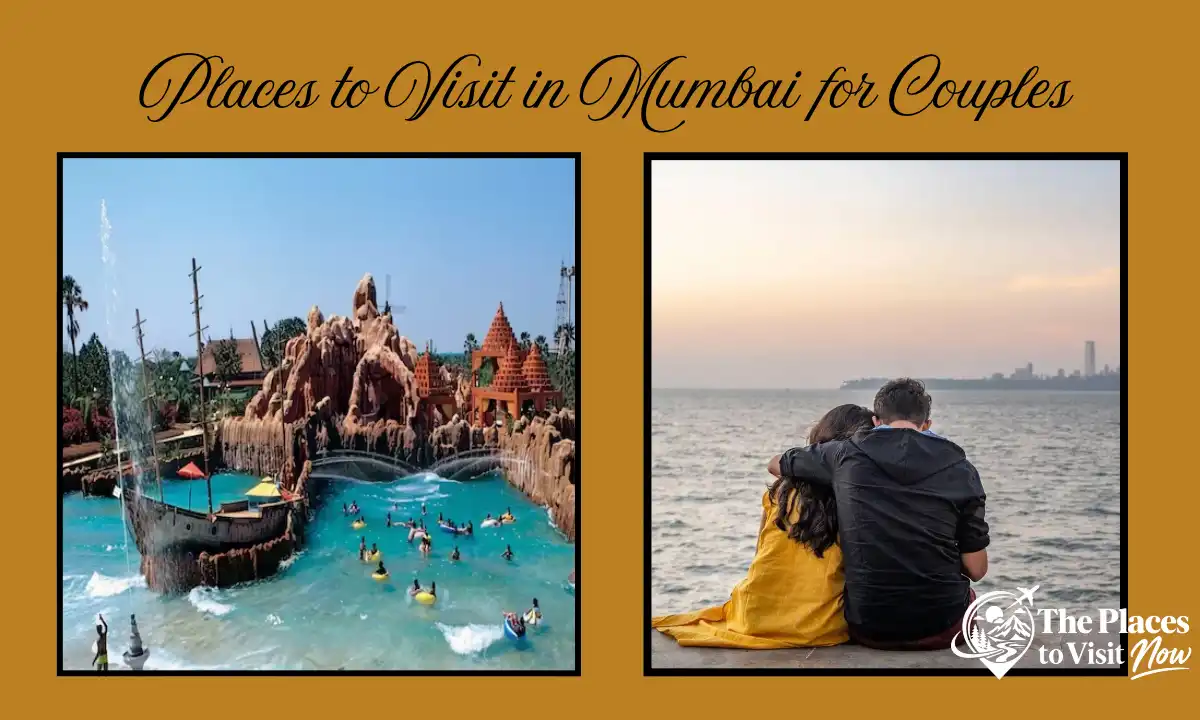
The list of must visit places for couples in Mumbai will include exactly these six: Marine Drive, Bandstand, Carter Road, Gateway of India, Hanging Gardens and Juhu. All the above mentioned locations are good. There is no mention of one factor which makes or breaks your evening anywhere.
Mumbai is a tidal city made of reclaimed islands, and many of its top locations are actually two places depending on where the tide is. Haji Ali causeway is a walkway when the tide is out, and completely inaccessible otherwise. Marine Drive and Worli Sea Face are a beautiful promenade when the tide is out and a wall of spray when it is high. Sewri mudflats teem with thousands of flamingos, and you will see them only if the tide is right at your time of arrival. Otherwise you would have wasted a long drive across the city for nothing.
And that is how this guide is organized. It includes the places to visit in Mumbai for couples, the tide rule for waterfront, the little known dawn date, a free walk of UNESCO sites, prices in rupees and dangers of this coast.
Mumbai for Couples at a Glance
| Detail | What to Know |
|---|---|
| The variable nobody checks | The tide, which changes several of the best spots completely |
| The dawn date | Flamingos at Sewri, roughly November to March |
| The free UNESCO walk | Oval Maidan, with Gothic on one side and Art Deco on the other |
| Best evening hours | 5:30 PM onwards on any west-facing seafront |
| The contrarian season | Monsoon, which is when this city is at its most romantic |
| Cheapest good date | A seafront walk and Irani cafe, under Rs 500 for two |
| Getting around | Local trains and the metro beat cabs at almost every hour |
| Closed on Mondays | Elephanta Caves and several museums |
| Monsoon caution | High tide at the seafronts, and swimming is banned |
| Ideal length | A weekend, or a string of separate evenings if you live here |
The Tide Rule
This is the table to screenshot. Tide times shift by roughly an hour each day and are easy to look up, and checking them takes thirty seconds.
| Place | Best At | Why It Matters |
|---|---|---|
| Haji Ali Dargah | Low tide | The causeway is walkable at low tide and submerged at high |
| Marine Drive | High tide, for drama | Waves break over the parapet, which is the version people photograph |
| Worli Sea Face | High tide | Same effect, with far fewer people than Marine Drive |
| Bandstand and Bandra Fort | High tide | The rocks below fill and the sound changes completely |
| Sewri mudflats | Around high tide | Rising water pushes the flamingos towards the jetty |
| Juhu and Aksa beaches | Low tide | More sand, and far safer than a rising sea |
| Versova to Madh ferry | Any, but check timings | A five minute crossing that costs almost nothing |
| Elephanta ferry | Not in monsoon | Services are suspended when the sea is rough |
One thing about which one needs to be careful in relation to this table. The tide makes the sea-fronts breathtakingly beautiful but also makes them dangerous especially during the monsoons when police are always blocking access to some parts of Marine Drive and Worli where people are often washed away from the promenade.
Places to Visit in Mumbai for Couples: The Shortlist
| Place | Best Time | Cost For Two | Why It Works |
|---|---|---|---|
| Sewri jetty | Dawn, Nov to Mar | Free | Thousands of flamingos, and almost no one else |
| Marine Drive | Sunset onwards | Free | The obvious one, and still the best walk in the city |
| Worli Sea Face | Sunset | Free | Marine Drive without the crowd |
| Bandra Fort and Bandstand | Late afternoon | Free | A sea-facing amphitheatre in a ruined fort |
| Oval Maidan walk | Early morning | Free | A UNESCO site you can stand in the middle of |
| Banganga Tank | Morning | Free | A centuries-old water tank hidden in Malabar Hill |
| Khotachiwadi | Morning | Free | A Portuguese-era village inside the city |
| Elephanta Caves | Weekday, not Monday | 600 to 1,200 | Rock-cut temples on an island, by ferry |
| Global Vipassana Pagoda | Morning | 200 to 600 | A vast stone dome and a ferry ride to reach it |
| Kanheri Caves | Morning | 400 to 800 | Ancient caves inside a national park inside a city |
| Versova to Madh ferry | Late afternoon | Under 100 | The cheapest boat date in India |
| Kala Ghoda | Evening | Varies | Galleries, bookshops and cafes in a walkable grid |
| Mohammed Ali Road | Night | 500 to 1,000 | Street food, and extraordinary during Ramzan |
| Irani cafes | Anytime | Under 500 | Bun maska, chai and a century of atmosphere |
Sewri at Dawn: The Date Nobody Puts on a List
Ten kilometres away from the financial district, where there are mudflats near an ancient fort, thousands of flamingos spend their winters. They arrive there during the months of October and November and stay until the warmer months, with some staying even longer until spring arrives. The lesser and greater flamingos are seen feeding on the algae found on the mud, which causes them to turn pink, and they all take off together if anything disturbs them. In the background, there is a sunrise on the creek, a watchtower dating back to the seventeenth century, located just a few minutes away, and for now, very few humans.
This is the practical aspect that determines whether you make the journey or not. This is because they feed on mud at low tide, and therefore, they are very far from the pier. With rising tides, they get gradually closer to shore. It is at the time when high tide occurs that you actually see them, so look at a tide table first.
- Bring your binoculars, without them all you would be seeing is a pink blur.
- Visit during week-days mornings. Week-ends have become quite crowded.
- The boat tours take place from the Coastal and Marine Biodiversity Center at Airoli towards Thane Creek, which happens to be the nearer site if you prefer.
- Do not venture onto the mudflats as they are quite deep and soft and would scare away the birds.
- The best time period is between November and March, although it may even extend beyond. Arrival is different each year.
The Seafronts, Sorted by Mood
- Marine Drive: the long bend of the Queen’s Necklace, ideal starting one hour before sunset and most crowded at around eight PM. The southern end of Nariman Point is quieter than the Chowpatty end.
- Worli Sea Face: same sea, lesser people and the sea link in sight. The place where the Mumbai couples come to the beach when Marine Drive is overcrowded.
- Bandra Fort and Bandstand: a small fort of Portuguese era having steps of amphitheatre looking to the sea and the sea link behind. Visit in the evening and stay till sunset.
- Carter Road: a promenade with a great number of seats, an amphitheatre and the maximum number of cafes in vicinity.
- Juhu: crowded, chaotic and really entertaining in the night, with the best chaat on the beach.
- Aksa and Madh: far less crowded, far more beautiful and with a major safety warning mentioned below.
The UNESCO Walk Nobody Takes
Mumbai boasts a World Heritage site that most people there would not be able to name, and they are allowed to stroll freely within.
The Victorian Gothic and Art Deco Ensembles were granted UNESCO status in 2018, and what is remarkable about this site is its configuration. Standing on the grounds of Oval Maidan, you can see a long row of Victorian Gothic public buildings from the nineteenth century such as the High Court and the University of Bombay with Rajabai Clock Tower. On the opposite side of this open ground lies an ensemble of Art Deco apartment blocks and cinemas like Eros. It is a combination of two ages of city development in response to one another.
The Art Deco buildings here combine Indian patterns with the Deco designs, which sometimes get the term Indo-Deco. There are many Art Deco structures in Mumbai.
- Start around six or seven in the morning. It’s a good time to start as the light is perfect and traffic is negligible.
- Stay there for about two hours and then proceed to Kala Ghoda for breakfast.
- There is no need of any kind of ticket or tour guide here as this two-hour date is absolutely free and set in a World Heritage Site.
The Villages Inside the City
If you are looking for somewhere which is worlds away from Mumbai, these are just inside the city’s borders.
- Banganga Tank, Malabar Hill: The Banganga Tank is a stone water tank surrounded by ancient temples and dharamshalas, found below some of the most costly real estate in India. Geese swimming in the water, stairs to sit on, and silence that defies easy explanation considering where you are.
- Khotachiwadi, Girgaum: The eighteenth century Portuguese hamlet of wooden-balconied cottages, reduced now to a handful of houses surrounded by skyscrapers. Take a quiet walk through, as these are still someone’s homes.
- Worli Koliwada: The original Koli fishing village with their boats and nets and little fort, just a walk from some of the most costly places in the nation.
- Just one for all of them. It is a living, breathing neighborhood, not an open air museum. Please keep the volume low, always ask permission to take photographs of people and avoid taking pictures inside the doors.
Island Dates
- Elephanta Caves: a one hour ferry ride from the Gateway of India to the UNESCO World Heritage Site of rock cut temples, with the three headed Trimurti as the highlight of the site. The caves are closed on Mondays and the ferry service is discontinued during the monsoon season. Take a whole half day, and make sure you visit it on a weekday.
- Global Vipassana Pagoda at Gorai: an enormous golden dome in traditional design, which is a little ferry ride away. Entry is free and the meditation hall within is enormous, with the short ferry journey making it more like an adventure.
- Versova to Madh ferry: a five minute ferry ride in a small boat for a few rupees. It is not something to see, but rather just a beautiful ten minutes out on the waters.
Monsoon Mumbai: The Contrarian Season
Mumbai from June to September is a wet, disorganized but really romantic city, which is why the citizens of this city are never sorry about all the rains.
- Marine Drive and Worli in the grey clouds of the sky with the waters rushing over the wall, from a safe distance.
- Cup of chai and bhajiya on the roadside stand while the rains pour down.
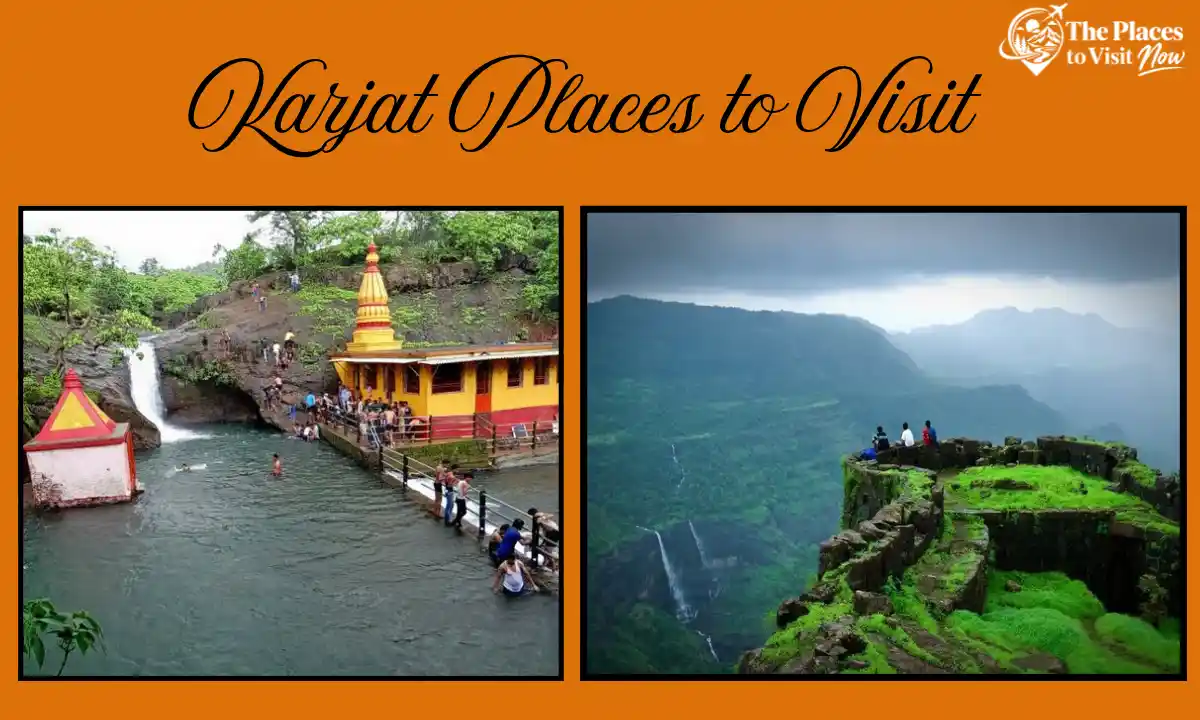
- The Western Ghats at a distance of one-two hours, in Karjat, Lonavala and Matheran in their greens that they are never seen otherwise.
- Sanjay Gandhi National Park that becomes the real forest.
- Two fair disclaimers. The ferries from Elephanta stop and swimming at all the beaches of the city is prohibited.
The waterlogging may trap you, so be careful and have railway lines nearby.
Food Dates
- The Irani cafés, from the surviving ones in the Fort and Byculla neighborhoods, for bun maska, kheema pav and chai under ceiling fans. The cheapest good date in the city.
- The Mohammed Ali Road at night, particularly during Ramzan, when the lanes become an endless food alley through the night. Get there hungry and late.
- Bademiya behind the Taj, the iconic Colaba eatery that serves rolls and kebabs late at night.
- Chowpatty and Juhu for bhelpuri and pav bhaji while standing on sand.
- Kala Ghoda for the seated variety in cafés and bookshops within the same few streets.
Kanheri and the Forest in the City
The Sanjay Gandhi National Park occupies a vast tract of forestland within the city limits, and it is home to resident leopards, which means that Mumbai is among only a handful of global metropolises to have such an achievement under its belt.
Within its confines lies Kanheri, a cluster of over a hundred Buddhist rock-cut caves built into a basalt cliff face spanning one thousand years from the 1st century BCE. These include prayer halls, monks’ cells, cisterns dug into the rockface, and stupas.
- Get there early since it gets very warm and the park gets crowded by mid-morning on weekends.
- Separate tickets are needed for the park and the caves.
- Getting to the caves from the park gate takes a few kilometres, either by bus or cycle.
- Stay on the trail, take water with you, and don’t feed the monkeys.
The Safety Talk
Two aspects of this stretch that are never mentioned in those romantic listicles. One, the beaches. Aksa, Gorai, Madh and parts of Juhu are beaches notorious for their drowning problem, created by drop-off cliffs and strong undertow and not by large breakers. Swimming is banned on some beaches, there are seasonal lifeguards and monsoon is an automatic ban on all beaches. Walk on the beach, don’t enter the water.
Two, the sea front during monsoon tide. Those waves that create picturesque scenes on Marine Drive and Worli Beach also carry people off the promenade every year, and that’s why there are police guards along stretches of the seafront in heavy rains. Stay away from the wall, don’t climb the wall and do not take pictures with the breaking waves.
Apart from that, apply common sense in a big city. Stick to well-lit stretches at night, get an app-cab instead of a private cab after train service ends and beware of open and water-filled drains during heavy rains.
Costs and Tickets
These are approximate figures for planning. Rates are revised periodically, so confirm before you go.
| Place or Activity | Approximate Cost (Rs) | Notes |
|---|---|---|
| Marine Drive, Worli, Bandstand | Free | Just the walk |
| Sewri jetty | Free | Carry binoculars |
| Thane Creek boat safari, Airoli | 400 to 900 per person | Book through the centre |
| Oval Maidan heritage walk | Free | Two hours, self-guided |
| Banganga Tank | Free | Residential area, be quiet |
| Elephanta ferry, return | 210 to 300 per person | Plus a small island fee |
| Elephanta Caves entry, Indian | 40 approximately | Closed Mondays |
| Global Vipassana Pagoda | Free, ferry separate | Ferry is nominal |
| Sanjay Gandhi National Park entry | 60 to 100 per person | Kanheri ticketed separately |
| Kanheri Caves, Indian | 40 approximately | Higher rate for foreign nationals |
| Versova to Madh ferry | 10 to 30 per person | A few minutes each way |
| Irani cafe meal for two | 300 to 600 | Bun maska, chai and more |
| Mohammed Ali Road, for two | 500 to 1,000 | Best late at night |
| App cab across the city | 300 to 700 | Trains are faster at peak hours |
Best Time to Visit Mumbai
| Months | Conditions | Verdict |
|---|---|---|
| November to February | Cool, dry, low humidity, flamingos at Sewri | Best window of the year |
| March to May | Hot and increasingly humid | Evenings only, stick to the seafront |
| June to September | Monsoon, dramatic and atmospheric | Romantic, with ferries suspended |
| October | Humid after the rains, the worst of both | Workable but sticky |
Three Dates, Fully Planned
| The Date | How It Runs |
|---|---|
| The dawn date | Sewri jetty around high tide for the flamingos, Sewri Fort on foot, then breakfast at an Irani cafe in the Fort area |
| The heritage date | Oval Maidan at 6:30 AM for the Gothic and Deco walk, Kala Ghoda breakfast, Banganga Tank late morning, Marine Drive at sunset |
| The monsoon date | Bandra Fort in the afternoon rain, chai and bhajiya at Carter Road, then Worli Sea Face at high tide from behind the parapet |
Practical Tips Most Mumbai Guides Skip
- Check the tide table before going out of the house; it takes about thirty seconds and it will change Haji Ali, Sewri and all waterfronts on this list.
- Use public transportation like trains or metro. During peak hours, it will take you three times more time to cover distance by cab across the city.
- Visit Elephanta on weekdays and never on Mondays and make sure that ferries are working properly in case it is close to monsoons.
- Start your heritage walking tours from six in the morning as by nine the light is flat and the traffic takes over.
- Carry some cash in smaller bills for ferry, chai and street food as most of the city accepts card payments.
- Swim in the Arabian Sea at Aksa, Gorai, Madh or Juhu beaches but remember that the main danger here is the undertow, not waves.
- Make reservations for the weekends in the evenings as walk-ins in Bandra and Colaba just don’t work.
Trivia You Can Use to Sound Like a Regular
- The causeway to Haji Ali is passable only when there is low tide. During high tide, water submerges the causeway; thus, this explains the presence of queues on the causeway throughout the day.
- There are thousands of flamingoes which visit the mudflats near the financial district of Mumbai during the winter and get their color from algae found in that area.
- Mumbai is home to UNESCO World Heritage listings of two architectural ensembles situated on opposite sides of Oval Maidan – one is of Victorian Gothic architecture, while the other is of Art Deco architecture.
- Art Deco architecture in Mumbai incorporates Indian designs within its own, giving birth to a style known as Indo-Deco, and it is also said to have the biggest collection of Art Deco buildings in the world.
- Sanjay Gandhi National Park in Mumbai contains leopard residents within its municipal boundaries, making it one of the very few major cities in the world where leopards can be found.
- Kanheri in Sanjay Gandhi National Park has more than hundred Buddhist caves carved into the basalt rock formation over the last 1000 years, starting from the first century BC.
Final Take: The Best Dates Here Are Free and Early
The sites which stay etched in the memories of those visiting Mumbai for a couple’s vacation are seldom the high-budget ones. The sight of flamingoes at sunrise at the mudflats, the free walk spanning two centuries through buildings across a cricket stadium, a stone water tank built underground at Malabar Hill, a short ride by boat from Versova to Madh, and the waterfront area when high tide washes across.
Factor in two variables, and the rest is taken care of by the city itself. One is the tide, as it determines Haji Ali, Sewri and what the waterfronts look like for the day. The other is timing; Mumbai before sunrise is a totally different city than it is at noon. Keep Marine Drive for the evening hours, save Elephanta for a dry weekday, and during the monsoon season, watch the waves from behind the wall.
Frequently Asked Questions
What are the best free places for couples in Mumbai?
Marine Drive, Worli Sea Face, Bandra Fort and Bandstand, Carter Road, the Oval Maidan Heritage Walk, Banganga Tank, Khotachiwadi, and Sewri Flamingo Mudflats in winters are all free attractions. Together, they offer experiences ranging from sea to buildings and wildlife for no cost at all.
When can you see flamingos in Mumbai?
From late November until March, although some may stay a little longer. These are located on the mudflats in Sewri and in Thane Creek. Best time is at the time when the tide rises since the rising tide brings them closer to the jetty.
Does the tide really matter for Mumbai sightseeing?
Indeed, it is more true for Mumbai than any other city in India. The walkway to Haji Ali is accessible during low tide, the seashore looks amazing during high tide and is tranquil during low tide, and viewing flamingos in Sewri depends on it. Check the tidal times before planning your evening out.
Is Elephanta Caves a good date?
A very good half day, with an hour-long ferry from the Gateway of India to a UNESCO site of rock-cut Shiva temples. Go on a weekday, never on a Monday when it is closed, and remember that ferries are suspended during the monsoon.
Can you swim at Mumbai beaches?
It is strictly forbidden and prohibited in many areas. Aksa, Gorai, Madh, and parts of Juhu beaches have cliffs and an undertow, which have led to deaths; therefore, swimming is strictly prohibited during monsoon season. It is better to walk on the sands of the beach.
Is the monsoon a good time for couples in Mumbai?
This is the most romantic time of the year, because of the wonderful sea front, the green hills two hours away, and the quiet city. There is no transportation to the island of Elephanta, you cannot swim, there is waterlogging, and you have to observe the high tide from behind the parapet.
Note: Tide times, ferry operations, entry fees, opening days and seasonal restrictions all change. Everything here is indicative. Confirm current timings and any police or municipal advisory before your visit, particularly during the monsoon.
Also read more: Karjat Places to Visit: Monsoon Waterfalls, Forts, Caves and Safety Rules
Leave a Reply