
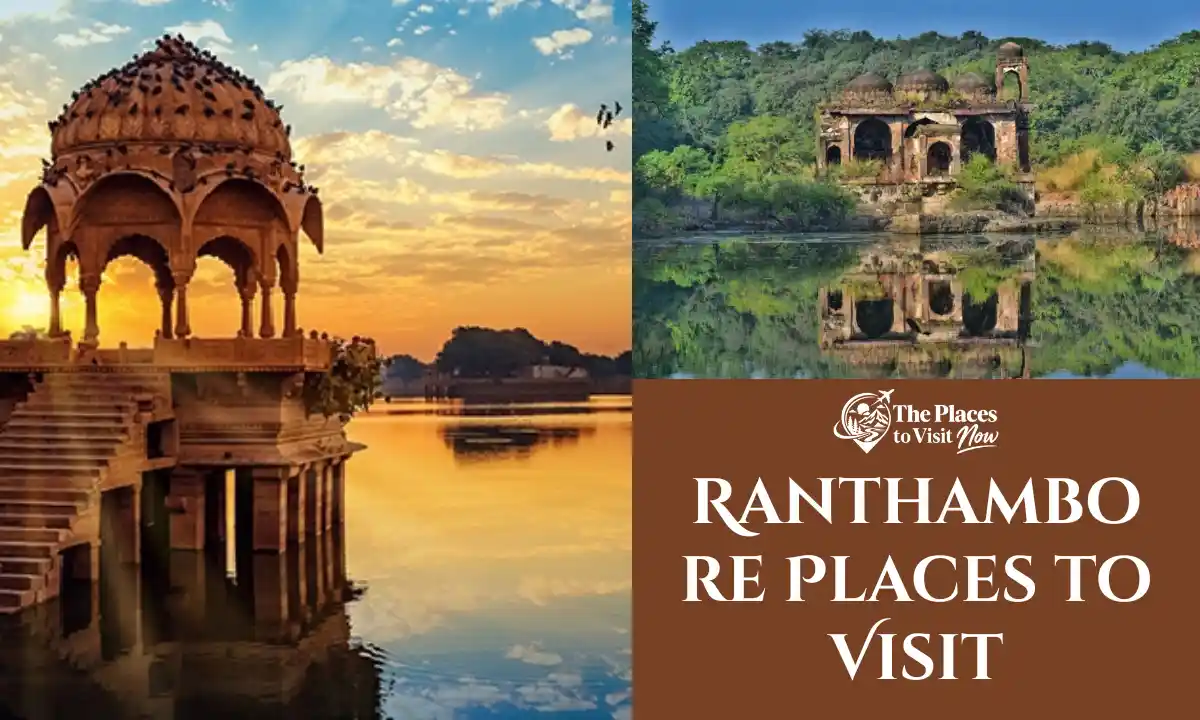
Most of the Ranthambore guides first begin by naming all the lakes and forts, and then go ahead to suggest booking of the safari. But this order is incorrect. The zone allotted to you at Ranthambore is the whole package, not just one aspect of your travel.
The area that is open for tourists comprises only twenty percent of the park, which is further split into ten zones, each differing in its geography completely, and the reservation process does not provide much of a choice. Two travelers can come on the same day, spend the same amount of money, but have different experiences due to the difference in the zones from where they entered the park.
There is also a UNESCO heritage fort that you can visit absolutely free of cost without any kind of permit for the safari, and most travelers often forget to do so while leaving the place. This guide names all the Ranthambore places to visit along with other information.
Ranthambore at a Glance
| Detail | What to Know |
|---|---|
| Where | Sawai Madhopur district, eastern Rajasthan |
| Size | Around 1,334 sq km including buffer areas |
| Open to tourism | Roughly 20 percent of the park, across ten zones |
| Nearest railway station | Sawai Madhopur, about 11 km from the gates |
| Nearest airport | Jaipur, roughly 180 km away |
| Safari types | Six-seater Gypsy or twenty-seater Canter |
| Booking window | Up to 90 days ahead on the forest department portal |
| Core zones closed | July to September for the monsoon |
| Weekly closures | Zones 1 to 5 on Wednesdays, zones 6 to 10 on Tuesdays |
| Best sighting months | March to June, when animals gather at waterholes |
| Free and often missed | Ranthambore Fort, a UNESCO listed hill fort inside the park |
The Zone Lottery: Read This Before You Book
The park started off with having five zones for tourism, followed by adding five more as the needs arose. The zones one to five are the original block zones located closer to the entry point with the lakes and ruins that the park is famous for.
This is where it gets tricky. The selection of the zones on the official website depends on the availability of that particular zone at the time of making the reservation, and when the number of tourists is at its peak in a certain season, all the popular zones vanish within minutes of the booking window being opened.
| Zone | Character | What It Is Known For |
|---|---|---|
| Zone 1 | Rocky boundary terrain near Singh Dwar | Tigers moving through from neighbouring zones, dramatic landscape |
| Zone 2 | Several waterholes and open ridges | Consistently among the most productive zones for sightings |
| Zone 3 | Padam Talao, Jogi Mahal, Raj Bagh ruins | The most photogenic zone in the park, and the old range of Machli |
| Zone 4 | Lakarda and Semli area | Historically strong for tigers, and the best odds for sloth bears |
| Zone 5 | Singh Sagar and Jokha, open meadows | Good movement between zones, strong for photography |
| Zone 6 | Kundal area, open and dry | Excellent birding, wide views, fewer vehicles |
| Zone 7 | Rugged and broken terrain | Quieter, lower vehicle pressure, patchier sightings |
| Zone 8 | Balas and Kherai grassland | Open country, good for herbivores and raptors |
| Zone 9 | Along the Chakal river, further out | A longer drive, but strong for birds and occasional sloth bear |
| Zone 10 | Northern edge near Bodal and Aantri | Quiet, and tigresses with cubs are often reported here |
This is a straightforward warning. The tigers do not use the zone mapping system. The terrain changes, the cubs leave, and next year’s zone might not hold any tigers for viewing. Any guide promising you a view in a certain zone has something in his mind. It just happens to be true that zones 2, 3, 4, and 5 hold water and grasslands.
Gypsy or Canter: The Other Big Decision
| Option | Seats | Approximate Cost (Rs) | Who It Suits |
|---|---|---|---|
| Gypsy, core zone | 6 plus driver and guide | 1,900 to 2,500 per seat | Photographers, families, anyone serious about sightings |
| Canter, core zone | 20 plus driver and guide | 900 to 1,500 per seat | Budget trips and larger groups travelling together |
| Gypsy, buffer zone | 6 plus crew | 1,200 to 1,500 per seat | Good value, and easier to get a permit |
| Canter, buffer zone | 20 plus crew | 600 to 800 per seat | The cheapest way into the reserve |
| Foreign nationals | Same vehicles | Roughly double the Indian rate | Higher park entry fee applies |
The Gypsy is well worth its extra price if you have budgeted for it. It is compact and can handle narrow gauge tracks, it is safer, and having twenty people trying to topple the Canter for a picture is definitely different from six people trying the same on the Gypsy. However, if budget is an issue, then the site is the way to go with the Canter.
How Booking Actually Works
- Permits are issued by the Rajasthan forest department and are available on the internet. Booking starts three months before the date of safari.
- You need to give details including the names and ages of each passenger along with the government identification numbers. Indians have options of Aadhaar, voter’s ID, PAN and driving license while for foreign nationals the passport number needs to be given.
- Carry the same set of IDs that you have mentioned during the booking process as matching of the details at the gate will be done and mismatch will result in your disqualification from the safari.
- The total fee needs to be paid at the time of booking and no refund or transfer will be done in any case.
- Sometimes, there is a tatkal style release that takes place which means it is always wise to check even if the calendar seems to be full.
- There are two rounds every day but timings vary according to the sunrise and sunset of that particular day. It is important to know the reporting time one day in advance.
- Booking multiple safaris increases the probability of sighting the tiger.
The Closed-Day Trap
This one quietly ruins itineraries, and it is rarely printed clearly anywhere.
| When | What Is Closed | What to Do Instead |
|---|---|---|
| Every Wednesday | Zones 1 to 5 | Book zones 6 to 10, or do the fort |
| Every Tuesday | Zones 6 to 10 | Book zones 1 to 5, or head to Chambal |
| July to September | Core zones, for the monsoon | Buffer zone safaris usually continue to run |
| Peak season weekends | Nothing, but permits vanish | Book the day the ninety-day window opens |
Mentioning monsoon would be ideal because all the information that is available about the park mentions only that the park is closed during the season. The parks are not operational, but safari trips are conducted in the buffer zone from July to September at reduced rates due to the greenery of the forests.
Ranthambore Fort: Free, UNESCO Listed, and No Permit Needed
This is the best kept secret in the entire reserve and yet it is not even hidden.
Ranthambore Fort is situated on a hill within the national park and dates back more than a thousand years. In 2013, Ranthambore Fort was one of the Hill Forts of Rajasthan that made it to the UNESCO World Heritage Sites list. The Fort is massive, dilapidated and impressive with palaces, stepwells, temples, mosques and gates offering you the full view of the park from all directions.
There is no charge at the entrance to the Fort and no permit is required to access it. You drive your car to the lower end close to Jogi Mahal and climb up the Fort by stairs for twenty to thirty minutes. There are languages all over the place so do not flaunt your food.
Trinetra Ganesh Temple
Inside the fort, there lies the Ganesh temple, which does one thing that sets it apart from any other Ganesh temple in the country. Wedding invitation cards to Lord Ganesha are sent through the post to the temple from different places across the country, and they reach the temple annually through the post office route. First wedding invitation card is always sent to this temple.
Due to the temple, the fort trail remains accessible to pilgrims, which is actually the reason why people can visit it without booking for a safari. It is recommended that you visit it in the morning.
Ranthambore Places to Visit: The Shortlist
| Place | Inside or Outside the Park | Needs a Permit | Time Needed |
|---|---|---|---|
| Ranthambore Fort | Inside, but on the pilgrim road | No, and free | 2 to 3 hours |
| Trinetra Ganesh Temple | Inside the fort | No | 30 minutes |
| Padam Talao and Jogi Mahal | Inside, zone 3 | Yes, safari only | Part of a safari |
| Raj Bagh ruins | Inside, zone 3 | Yes, safari only | Part of a safari |
| Malik Talao | Inside, zone 3 area | Yes, safari only | Part of a safari |
| Kachida Valley | Inside, outer area | Yes, safari only | Part of a safari |
| Surwal Lake | Outside, about 25 km | No | Half morning |
| Chambal river safari | Outside, about 40 km | Boat ticket | Half day |
| Khandar Fort | Outside, about 40 km | No | Half day |
| Dastkar craft centre | Outside, near the park | No | 1 hour |
| Ranthambore School of Art | In Sawai Madhopur | No | 45 minutes |
| Sawai Madhopur railway station | In town | No | 30 minutes |
Inside the Park: The Lakes and the Ruins
This is what makes Ranthambore unique among all tiger reserves in India. You can get to them only when you go on safari, and that too usually in the lower-numbered zones.
- Padam Talao: largest lake in the park, named so because of the number of lotuses growing in it, and the Jogi Mahal is located nearby. This is where the classic shot of Ranthambore is taken.
- Raj Bagh Ruins: ruins of domes and pavilions situated between two lakes and gradually being overgrown by the forest. The tigers are always photographed amidst the ruins of Raj Bagh, which earned this national park fame around the world.
- Malik Talao: the smallest lake, calm and full of marsh crocodiles, kingfishers and painted storks.
- Kachida Valley: rocky terrain on the outskirts of the park, known more for panthers and sloth bears rather than tigers.
- Lakarda and Anantpura: northern part of the park, famous for the presence of sloth bears, particularly near the termite mounds.
Outside the Park: What Fills the Non-Safari Hours
Safaris take up two windows a day. This is what to do with the rest.
Chambal river safari
National Chambal Sanctuary, which lies about forty kilometers away from Agra, is home to one of the purest rivers in the country. You get to see gharials, mugger crocodiles, several species of birds, and also Gangetic river dolphins, if lucky enough. This would definitely be the most rewarding half-day tour experience for all wildlife enthusiasts but not tiger lovers.
Surwal Lake
There is a seasonal lake, which is about twenty-five kilometers away; it is ideal to visit this place during November and March, as a lot of migratory birds would be there by then. It is better to visit early morning, as there are a number of birds including flamingos, sarus cranes, pelicans, and painted storks.
Khandar Fort
Another ruined hill fort about forty kilometres away, which not many tourists venture to see. It is said that no one has ever taken this fort by assault, and provides beautiful views of the Chambal valley. Make sure you wear proper shoes as the climb is unaided.
Dastkar Ranthambore
An arts and crafts centre operated primarily by women from the villages that were moved as a result of the formation of the park. They manufacture textiles, block printing, and quilts, and supporting their businesses means money goes directly to the people who foot the bill for conservation.
Ranthambore School of Art
A studio in Sawai Madhopur where artists paint tigers, with proceeds supporting conservation awareness work. Even if you do not buy, it is a genuinely interesting forty-five minutes.
Sawai Madhopur railway station
Worth a look in its own right. The station was painted with large wildlife murals as part of a public art project, and it has become one of the most photographed railway stations in the country.
Safari Costs and Entry Fees
These are approximate figures for planning. Forest department rates are revised periodically, so confirm on the official portal before booking.
| Item | Approximate Cost (Rs) | Notes |
|---|---|---|
| Gypsy safari, core zone, Indian | 1,900 to 2,500 per seat | Includes vehicle, guide and park entry |
| Canter safari, core zone, Indian | 900 to 1,500 per seat | Twenty seats, budget option |
| Gypsy safari, buffer zone | 1,200 to 1,500 per seat | Easier to get a permit |
| Canter safari, buffer zone | 600 to 800 per seat | Cheapest way in |
| Foreign national supplement | Roughly double the Indian rate | Higher park entry fee |
| Full vehicle private Gypsy | 12,000 to 18,000 | Book all six seats yourself |
| Ranthambore Fort | Free | No safari permit needed |
| Trinetra Ganesh Temple | Free | Inside the fort |
| Chambal boat safari | 2,000 to 4,000 per boat | Shared or private |
| Surwal Lake | Free or nominal | Best at sunrise |
| Camera charges | Usually included, confirm at gate | Drones are prohibited |
| Taxi from Sawai Madhopur | 400 to 800 | About 11 km to the gates |
Best Time to Visit Ranthambore
| Months | Conditions | Verdict |
|---|---|---|
| October to February | Cool and comfortable, good birding | Best for the trip overall, busiest season |
| March to June | Hot, rising past 40 degrees by May | Best odds for tigers, hardest on the body |
| July to September | Monsoon, core zones closed | Buffer safaris run, forest at its greenest |
| Late October and early March | Warm days, cool mornings | The sweet spot between comfort and odds |
Such a paradox should be appreciated as sometimes the easiest period might not be the best one to spot animals. In springtime, when there is less water available to wildlife in the forest because of the drying-up process, all animals are gathered around the only water source that is left, thus April and May are the best periods to go.
A 2-Day Plan
| Day | Morning | Afternoon and Evening |
|---|---|---|
| Day 1 | Arrive, morning safari if timing allows | Ranthambore Fort and Trinetra Ganesh Temple |
| Day 2 | Safari in a core zone, then breakfast | Second safari in a different zone, or Chambal |
With a third day, add the Chambal river safari and Surwal Lake at dawn. If tigers are the whole point of the trip, use that day for two more safaris instead, in zones you have not already done.
Practical Tips Most Ranthambore Guides Skip
- Book the reservation on the day when the ninety-day window starts if you have any particular zone in your mind. In peak seasons, even the best zones are scooped up within minutes.
- In any case, take at least three safaris. It’s like a lottery; only those people who see tigers have taken the safari three to four times.
- Don’t wear colorful clothes but dull ones like olive, khaki and brown. Bright colors including white are not allowed in the park.
- The mornings of winter can be really cold inside an open Gypsy traveling at a good speed. So, dress up accordingly wearing a jacket, cap and gloves.
- It would be better to make the fort booking on a Tuesday or Wednesday because half of the zones are closed on those days anyway.
- Use of drones is completely banned along with stepping out of the vehicle in the park. The consequences are quite heavy.
- Remember that you need to carry the same identity proof as you did while booking the safari.
Trivia You Can Use to Sound Like a Regular
- Ranthambore Fort was included in the list of Hill Forts of Rajasthan in UNESCO World Heritage List in 2013, and it is located inside an active tiger sanctuary.
- Hundreds of thousands of invitation cards arrive through the regular postal system every year at Trinetra Ganesh Temple and are addressed to Lord Ganesha.
- Machli, or ‘Queen of Ranthambore’ as she was called, survived for more than twenty years and became one of the best-known wild tigers.
- Less than a fifth of the park territory is used for tourism purposes; the remaining territory is preserved, which significantly adds to the credibility of wildlife sighting in Ranthambore.
- The ruins of Raj Bagh are one of those few places in the world where wild tigers can be spotted resting on the structures of the Middle Ages.
- The nearby Chambal River is one of the most pristine waterways of India that houses gharials and Gangetic river dolphins.
Final Take: Book the Zone, Then Plan the Rest
The places to visit in Ranthambore can be divided into three groups. First, there are places which need a safari to reach such as Padam Talao, Raj Bagh and whatever zone the permit will allow you to enter. Then there is the fort which is open free of charge, a World Heritage Site by UNESCO and doesn’t even require a permit. Finally, there are the things to see just outside the gate going from the Chambal river up to the Surwal lake and the craft center which will provide something to do between the safaris. Do it in this order. As soon as the window opens make your booking and book at least three or four safaris and dedicate Tuesday or Wednesday to the fort as anyway half of the zones are closed. Go there either late October or early March for optimum conditions. While neither the zones nor the guides can assure you to spot a tiger, they can give you a tour in one of the most beautiful Indian forests and an ancient fort.
Frequently Asked Questions
Which is the best zone in Ranthambore for tiger sightings?
The best zones are 2, 3, 4, and 5 as they encompass the lakes and open fields. The Zone 3 is the most beautiful zone as it contains the Padam Talao Lake and the ruins of Raj Bagh. But once again, the habitats of tigers vary from season to season.
Do you need a safari permit to visit Ranthambore Fort?
Not at all. The fort lies along the pilgrim route to the Trinetra Ganesh Temple, and hence, one can simply drive up to its base and walk up without even having to book a safari. The entry to the fort is absolutely free.
How far in advance should I book a Ranthambore safari?
The booking is available ninety days in advance from the forest department website, and during the peak season, all the popular zones get booked up in a matter of minutes. If you wish to book for a particular zone, make sure you do that on the very first day.
Is Ranthambore open during the monsoon?
The core zones close from July to September, but buffer zone safaris generally continue to run through those months at lower prices, with the forest at its greenest. Sightings are harder in dense monsoon vegetation.
Which days is Ranthambore closed?
Zones 1 to 5 are closed on Wednesdays and zones 6 to 10 on Tuesdays. Plan the fort, the Chambal river safari or Surwal Lake for those days, since one half of the park is always open on either.
Gypsy or Canter, which is better in Ranthambore?
The Gypsy, if the budget allows. It seats six, reaches narrower tracks and stops faster for photographs. A Canter seats twenty and costs roughly half. If you have to choose, a Canter in a good zone beats a Gypsy in a weak one.
Note: Safari rates, timings, closed days and booking rules are set by the Rajasthan forest department and revised periodically. Everything here is indicative. Confirm current details on the official booking portal before you travel.
Also read about: Auli Places to Visit: A Ski Slope With a Himalayan View, and a Few Honest Caveats


Leave a Reply